Botanical entries
These notes are educational and historical. They are not medical advice, and they do not claim to diagnose, treat, cure, or prevent disease.
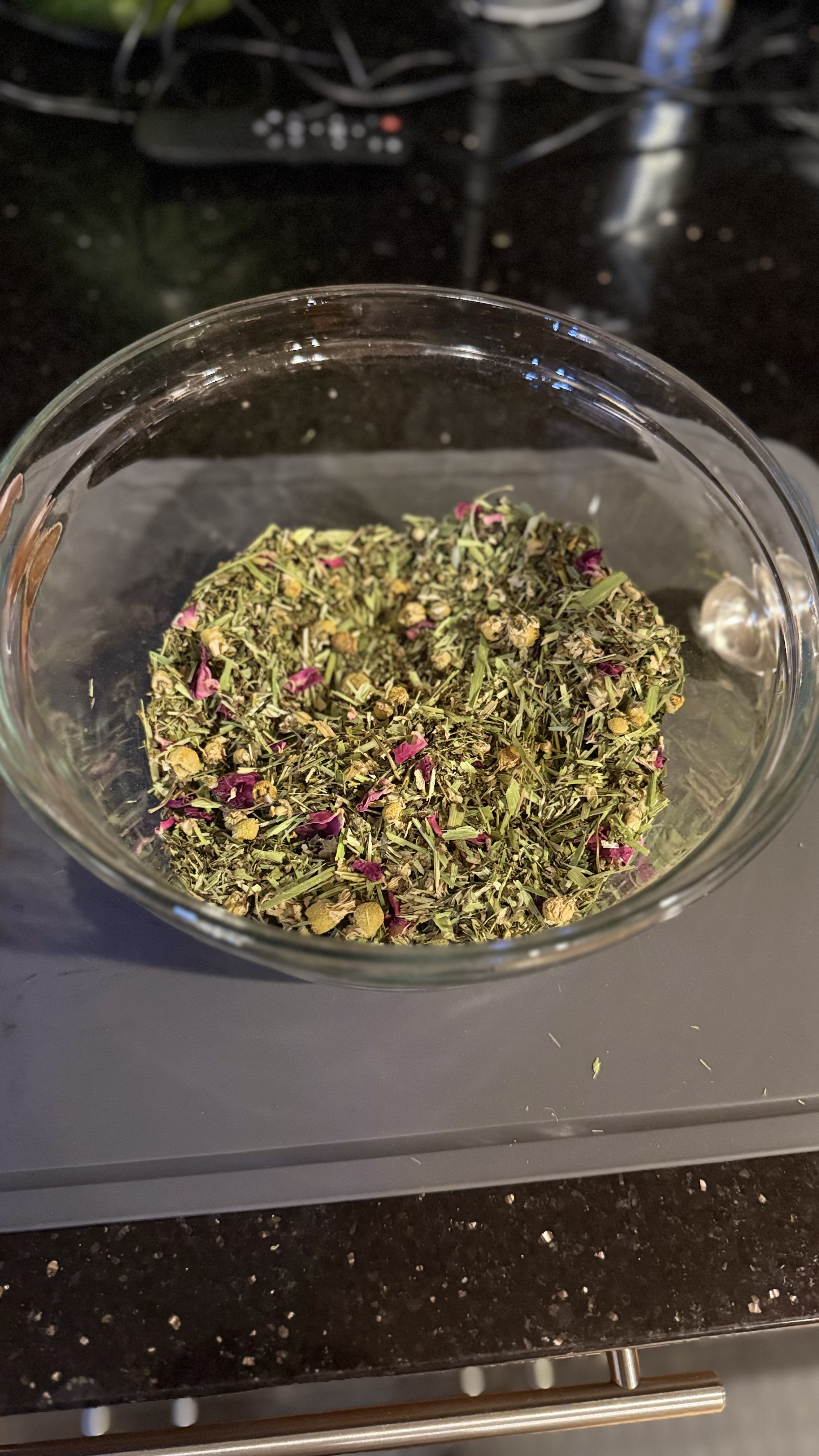
Pressed leaves, field notes, and careful study. The Apothecary exists so every ingredient feels known before it becomes part of a botanical ritual.

Steady resilience
Holy Basil
Ocimum tenuiflorum
Traditional Uses
Used in Ayurvedic traditions as tulsi, an herb connected to resilience, daily steadiness, and devotional practice.
Flavor Notes
Clove-like spice, peppered mint, warm green depth.
Botanical Family
Lamiaceae, the mint family.
History
Holy basil has a long cultural history in South Asia, where it is honored as both a household plant and a sacred botanical.
Interesting Facts
Tulsi is often grown near homes and temples, making it one of the clearest bridges between herb, ritual, and daily life.
Modern Research Summary
Research has examined holy basil for stress response, metabolic markers, and general wellbeing. Findings are promising but not conclusive.
Iron Root Products
Steady Light herbal tea and Cast Your Cares herbal tea.
Related Herbs
Rosemary, gotu kola, spearmint, skullcap.

Remembrance
Rosemary
Salvia rosmarinus
Traditional Uses
Traditionally associated with memory, alertness, culinary warmth, and aromatic cleansing.
Flavor Notes
Pine, resin, savory warmth, slight bitterness.
Botanical Family
Lamiaceae, the mint family.
History
Rosemary appears throughout Mediterranean foodways, folk practices, and symbolic traditions of remembrance.
Interesting Facts
Its old Latin name was often interpreted as "dew of the sea," pointing back to its coastal Mediterranean roots.
Modern Research Summary
Researchers have studied rosemary aroma and extracts for cognition and antioxidant activity. Human evidence depends on form and dosage.
Iron Root Products
Steady Light herbal tea.
Related Herbs
Holy basil, spearmint, cinnamon.
Rooted stamina
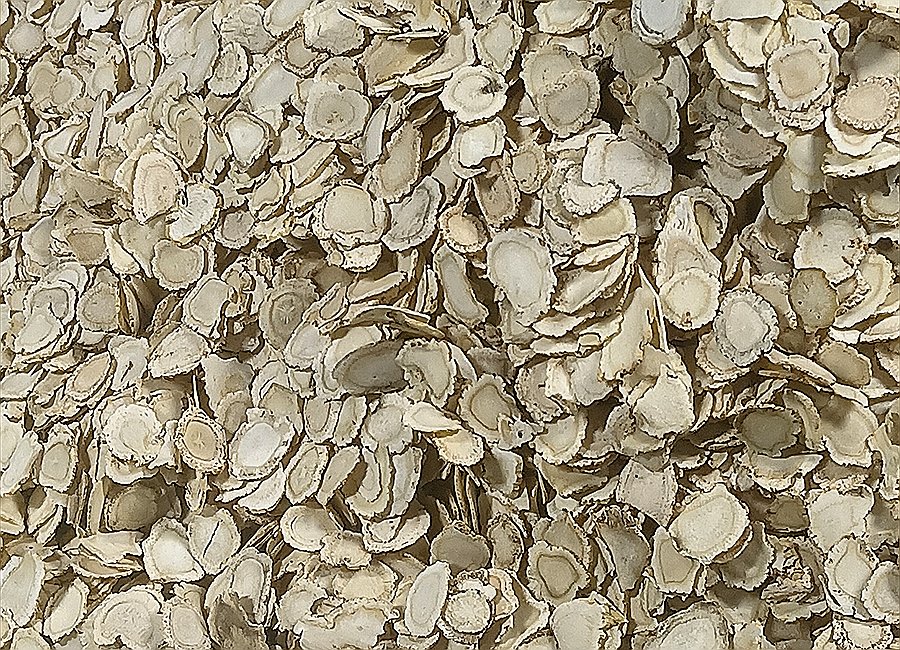
American Ginseng
Panax quinquefolius
Traditional Uses
Traditionally used in North American and East Asian herbal practice as a cooling, steadying root for resilience and sustained energy.
Flavor Notes
Earthy root, slight sweetness, soft bitterness, mineral depth.
Botanical Family
Araliaceae, the ginseng family.
History
American ginseng became an important woodland botanical and trade herb because of its prized root and long-standing cultural use.
Interesting Facts
Unlike sharp stimulants, American ginseng is often described in herbal traditions as steady and measured, which fits a slow morning ritual.
Modern Research Summary
Research has explored American ginseng for fatigue, cognition, and metabolic markers. Evidence depends on preparation, dose, and individual context.
Iron Root Products
Steady Light herbal tea.
Related Herbs
Holy basil, rosemary, schisandra, cinnamon.
Gentle sweetness
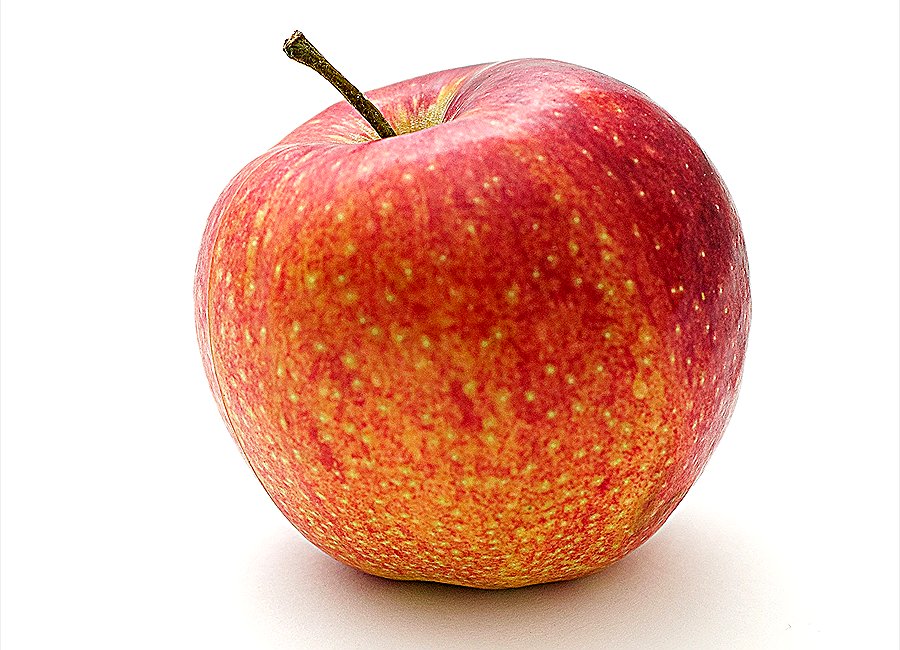
Apple
Malus domestica
Traditional Uses
Apple has long been used in teas, syrups, vinegars, and household preparations where softness, fruit body, and everyday nourishment matter.
Flavor Notes
Soft fruit, mild tartness, honeyed sweetness, rounded body.
Botanical Family
Rosaceae, the rose family.
History
Apples carry deep household history in foodways and seasonal rituals, making them familiar, grounding, and approachable in a botanical blend.
Interesting Facts
Dried apple can soften the edges of more bitter roots and herbs while giving a tea blend a fuller, more comforting body.
Modern Research Summary
Apples are studied for polyphenols, fiber, and antioxidant activity as food. Tea use is primarily sensory and supportive, not medical treatment.
Iron Root Products
Steady Light herbal tea.
Related Herbs
Cinnamon, schisandra, rosemary, American ginseng.

Five-flavor focus
Schisandra
Schisandra chinensis
Traditional Uses
Traditionally used in East Asian herbal practice as a five-flavor berry connected to resilience, focus, and whole-body steadiness.
Flavor Notes
Tart berry, bitter edge, faint sweetness, salty-mineral finish, gentle pungency.
Botanical Family
Schisandraceae.
History
Schisandra is often called five-flavor fruit because its taste moves through several sensations at once, giving it a distinctive place in herbal blending.
Interesting Facts
Its complexity can make a ritual tea feel layered: bright enough to wake the senses, yet rooted enough to stay grounded.
Modern Research Summary
Research has examined schisandra lignans, stress response, and liver-related markers. Evidence is developing and does not replace medical guidance.
Iron Root Products
Steady Light herbal tea.
Related Herbs
American ginseng, holy basil, apple, cinnamon.

Cool clarity
Spearmint
Mentha spicata
Traditional Uses
Traditionally used for freshening, digestive comfort, and bringing a clean aromatic finish to herbal blends.
Flavor Notes
Cool mint, soft sweetness, green clarity.
Botanical Family
Lamiaceae, the mint family.
History
Spearmint has long been used in kitchen gardens, teas, and household preparations for its approachable mint character.
Interesting Facts
Spearmint is gentler and sweeter than peppermint, which makes it useful when a blend needs brightness without sharpness.
Modern Research Summary
Modern research has explored spearmint for digestive and antioxidant activity. Evidence varies by preparation and use.
Iron Root Products
Purified Path cleansing rituals.
Related Herbs
Rosemary, orange peel, hyssop.

Gathered mind
Gotu Kola
Centella asiatica
Traditional Uses
Traditionally used in Ayurvedic and Asian herbal traditions for mental clarity, focus, and steady daily practice.
Flavor Notes
Green, earthy, slightly bitter, mineral-like.
Botanical Family
Apiaceae, the carrot family.
History
Gotu kola has a long history in South Asian herbal practice and is often linked with meditation, memory, and longevity traditions.
Interesting Facts
Despite the name, gotu kola is not related to kola nut and does not naturally contain caffeine.
Modern Research Summary
Research has explored gotu kola for cognition, circulation, and skin applications. Evidence is still developing and safety depends on preparation and context.
Iron Root Products
Apothecary reference herb for clarity education.
Related Herbs
Holy basil, rosemary, spearmint.

Bright lift
Orange Peel
Citrus sinensis
Traditional Uses
Traditionally used to brighten tea blends, support digestion after meals, and bring aromatic lift to warming formulas.
Flavor Notes
Sweet citrus, gentle bitterness, fragrant peel oil.
Botanical Family
Rutaceae, the citrus family.
History
Citrus peel has been used in culinary and herbal preparations wherever oranges entered kitchens, apothecaries, and trade routes.
Interesting Facts
Much of orange peel's aroma comes from volatile oils concentrated in the colored outer rind.
Modern Research Summary
Modern research has studied citrus peel compounds for antioxidant and aromatic properties. Evidence varies by extract and application.
Iron Root Products
Cast Your Cares herbal tea.
Related Herbs
Spearmint, cinnamon, cardamom.

Red warmth
Rooibos
Aspalathus linearis
Traditional Uses
Traditionally enjoyed as a naturally caffeine-free tea, rooibos brings warmth, body, and a smooth base to evening blends.
Flavor Notes
Honeyed red tea, soft wood, gentle vanilla, rounded warmth.
Botanical Family
Fabaceae, the legume family.
History
Rooibos is rooted in South African tea traditions and became widely known for its deep red infusion and naturally sweet character.
Interesting Facts
Rooibos is not a true tea leaf from Camellia sinensis, which is why it is naturally caffeine-free.
Modern Research Summary
Modern research has examined rooibos for antioxidant compounds. Evidence depends on preparation and does not replace medical guidance.
Iron Root Products
Cast Your Cares herbal tea.
Related Herbs
Cardamom, orange peel, rose petals.

Gentle warmth
Cinnamon
Cinnamomum spp.
Traditional Uses
Traditionally used as a warming spice for comfort, circulation of flavor, sweetness, and grounding aromatic depth.
Flavor Notes
Sweet heat, wood, spice, soft resin.
Botanical Family
Lauraceae, the laurel family.
History
Cinnamon was once a luxury trade spice, valued in kitchens, perfumery, and old apothecary preparations.
Interesting Facts
Cinnamon is harvested from inner bark, which curls into quills as it dries.
Modern Research Summary
Modern research has examined cinnamon and blood sugar markers, but findings vary. Cassia cinnamon can contain coumarin, so high-dose use should be cautious.
Iron Root Products
Steady Light herbal tea.
Related Herbs
Orange peel, rosemary, ginger.
Evening release
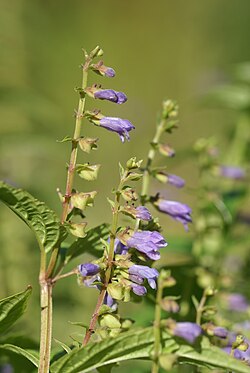
Skullcap
Scutellaria lateriflora
Traditional Uses
Traditionally used in evening formulas for unwinding, restfulness, and nervous system support.
Flavor Notes
Earthy green, lightly bitter, quiet and grounding.
Botanical Family
Lamiaceae, the mint family.
History
American skullcap was used in 19th-century eclectic herbal practice and remains common in modern calming blends.
Interesting Facts
The name refers to the small cap-like shape of the flower calyx.
Modern Research Summary
Preliminary research has explored skullcap constituents and calm-related effects. More robust human research is needed.
Iron Root Products
Cast Your Cares herbal tea.
Related Herbs
Passion flower, oatstraw, orange peel.

Gentle steadiness
Oatstraw
Avena sativa
Traditional Uses
Traditionally used in nourishing teas and slow infusions for gentle steadiness and daily restoration rituals.
Flavor Notes
Mild grain, soft hay, mineral green, lightly sweet.
Botanical Family
Poaceae, the grass family.
History
Oats have long been part of food and folk traditions, with oatstraw used as a quiet, supportive botanical in herbal practice.
Interesting Facts
Oatstraw is the above-ground part of the oat plant and is often prepared as a longer steeping tea.
Modern Research Summary
Research interest includes oat constituents, minerals, and general wellbeing. Evidence varies by preparation and use.
Iron Root Products
Cast Your Cares herbal tea.
Related Herbs
Skullcap, passion flower, holy basil.

Restful devotion
Passion Flower
Passiflora incarnata
Traditional Uses
Used traditionally for evening calm, rest support, and easing the transition from activity into stillness.
Flavor Notes
Mild grass, soft hay, gentle floral bitterness.
Botanical Family
Passifloraceae.
History
Spanish missionaries saw Christian symbolism in the flower structure, giving the plant its devotional common name.
Interesting Facts
The dramatic flower form makes passion flower one of the most visually symbolic herbs in Western herbal history.
Modern Research Summary
Studies have examined passion flower for anxiety and sleep-related outcomes. Results are mixed but support continued research interest.
Iron Root Products
Cast Your Cares herbal tea.
Related Herbs
Skullcap, oatstraw, rose petals.

Softening bloom
Rose Petals
Rosa spp.
Traditional Uses
Rose petals have been used in teas, syrups, oils, and devotional body care where softness, beauty, and comfort are part of the ritual.
Flavor Notes
Delicate floral, honeyed, lightly tannic, soft perfume.
Botanical Family
Rosaceae, the rose family.
History
Roses appear across culinary, spiritual, and cosmetic traditions as a symbol of love, tenderness, grief, and restoration.
Interesting Facts
The aroma of rose petals changes by variety, harvest timing, and drying method, which makes sourcing especially important.
Modern Research Summary
Modern research has explored rose aroma and plant compounds in mood and antioxidant contexts. Evidence is still developing.
Iron Root Products
Cast Your Cares herbal tea.
Related Herbs
Passion flower, rooibos, orange peel.

Aromatic warmth
Cardamom
Elettaria cardamomum
Traditional Uses
Traditionally used in spiced teas, sweets, and digestive after-meal preparations for aromatic warmth and comfort.
Flavor Notes
Sweet spice, eucalyptus lift, citrus, resin, warm floral depth.
Botanical Family
Zingiberaceae, the ginger family.
History
Cardamom has moved through spice routes for centuries and remains central to chai, coffee, desserts, and ceremonial hospitality.
Interesting Facts
The tiny black seeds inside the green pods hold most of cardamom's aromatic strength.
Modern Research Summary
Modern research has studied cardamom for aromatic compounds and digestive comfort. Human evidence varies by form and amount.
Iron Root Products
Cast Your Cares herbal tea.
Related Herbs
Rooibos, orange peel, cinnamon.

Cleansing ritual
Hyssop
Hyssopus officinalis
Traditional Uses
Traditionally connected with cleansing, respiratory-season formulas, and aromatic household use.
Flavor Notes
Camphor, mint, resin, clean bitterness.
Botanical Family
Lamiaceae, the mint family.
History
Hyssop carries biblical cleansing associations and appears in historical herbals as a plant of purification.
Interesting Facts
The phrase "cleanse me with hyssop" gives the herb unusual symbolic weight in faith-inspired ritual work.
Modern Research Summary
Modern research has focused on essential oil composition and antimicrobial activity in lab settings. Internal use requires care and qualified guidance.
Iron Root Products
Purified Path milk and honey soak and cleansing body rituals.
Related Herbs
Calendula, spearmint, rosemary.

Golden restoration
Calendula
Calendula officinalis
Traditional Uses
Traditionally used in skin preparations, infused oils, salves, and gentle body-care rituals.
Flavor Notes
Earthy floral, resinous, faintly bitter.
Botanical Family
Asteraceae, the daisy family.
History
Calendula has long been grown in cottage gardens and apothecary beds for its bright flowers and usefulness in topical preparations.
Interesting Facts
The flowers are sometimes called pot marigold, though calendula is distinct from common ornamental marigolds.
Modern Research Summary
Research has explored calendula extracts in skin comfort and wound-care contexts. Product quality and preparation matter.
Iron Root Products
Purified Path body rituals.
Related Herbs
Hyssop, ginger, spearmint.

Warming renewal
Ginger
Zingiber officinale
Traditional Uses
Traditionally used for warmth, digestive comfort, movement, and enlivening cold or stagnant formulas.
Flavor Notes
Hot spice, citrus edge, sweet heat, earthy root.
Botanical Family
Zingiberaceae.
History
Ginger has moved through global trade routes for centuries as food, spice, and household remedy.
Interesting Facts
The part most people call ginger root is technically a rhizome.
Modern Research Summary
Modern research has examined ginger for nausea, digestion, and inflammatory pathways. It can interact with some medications and should be used thoughtfully.
Iron Root Products
Purified Path cleansing rituals.
Related Herbs
Calendula, rosemary, spearmint.
No herbs match that search. Try a product name, Latin name, or category.
Botanical image sources: Holy Basil, Rosemary, American Ginseng, Apple, Schisandra, Spearmint, Gotu Kola, Orange Peel, Rooibos, Cinnamon, Skullcap, Oatstraw, Passion Flower, Rose Petals, Cardamom, Hyssop, Calendula, and Ginger via Wikimedia Commons. Review each file page for current license and attribution details.